Electric scooters offer a practical transportation option for urban commuters, but safe operation requires proper equipment, awareness, and adherence to local regulations. This guide provides comprehensive safety information for riders of all experience levels.
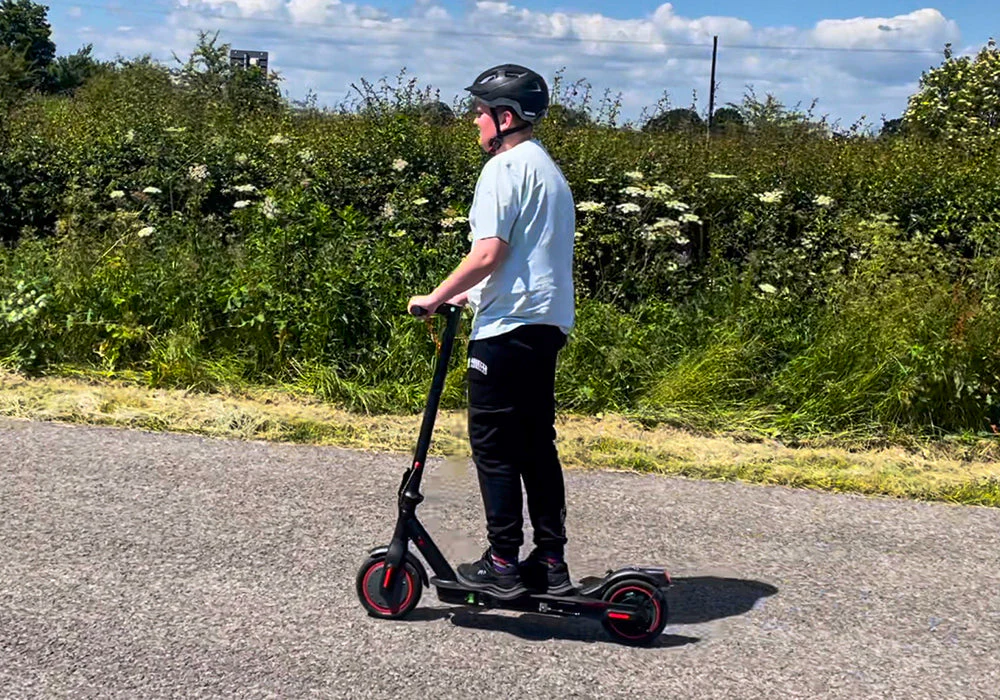
Essential Safety Equipment
Protective equipment significantly reduces injury risk in the event of falls or collisions. While electric scooters have lower maximum speeds than motorcycles, impacts at 20-30 km/h can still cause serious injuries.
Helmet Selection and Use
A properly fitted helmet is the single most important piece of safety equipment. When selecting a helmet:
- Choose certified helmets: Look for CPSC, ASTM, or Snell certification marks indicating the helmet meets safety standards.
- Ensure proper fit: The helmet should sit level on your head, covering your forehead. It should be snug but not uncomfortable, with minimal movement when you shake your head.
- Replace after impacts: Even if no visible damage is apparent, helmet materials may be compromised after a fall. Replace helmets after any significant impact.
- Consider visibility: Helmets with reflective elements or bright colors increase visibility to other road users.
Some jurisdictions require helmets by law, while others recommend them. Regardless of legal requirements, helmets provide substantial protection and are strongly recommended for all riders.
Additional Protective Gear
Beyond helmets, consider these protective items, especially when learning or riding in higher-risk environments:
- Wrist guards: Falls often result in outstretched hands, making wrists vulnerable to sprains and fractures. Wrist guards provide support and impact protection.
- Knee and elbow pads: These protect joints during falls. Particularly useful during the learning phase or when riding on surfaces with higher fall risk.
- Closed-toe shoes: Wear sturdy shoes with good grip. Avoid sandals, flip-flops, or shoes with loose laces that could catch in the scooter.
- Visibility clothing: Reflective vests or clothing with reflective elements improve visibility, especially important during dawn, dusk, or night riding.
- Eye protection: Glasses or goggles protect eyes from dust, debris, and insects, maintaining clear vision while riding.
Pre-Ride Safety Checks
Conducting brief inspections before each ride identifies potential issues before they become safety hazards. A systematic check takes only a few minutes and significantly reduces malfunction risk.
Critical Components to Inspect
Braking System: Test both brakes before mounting. Electronic brakes should engage smoothly, while mechanical brakes should provide firm stopping power without excessive lever travel. If brakes feel weak or unresponsive, do not ride until they are serviced.
Tire Condition: For pneumatic tires, check pressure using a gauge. Underinflated tires affect handling and increase flat risk. For solid tires, inspect for cuts, excessive wear, or embedded debris that could cause failure.
Lighting Systems: Verify that headlights, taillights, and any additional lights function properly. Even for daytime rides, functional lights prepare you for unexpected delays that extend into low-light conditions.
Battery Level: Check charge level and estimate whether it's sufficient for your planned trip plus a safety margin. Running out of power mid-journey creates safety and practical complications.
Structural Integrity: Look for loose bolts, cracks in the frame or deck, or damage to the folding mechanism. Listen for unusual sounds when moving the scooter. Any rattling or looseness should be addressed before riding.
Safe Riding Practices
Speed Management
Appropriate speed varies based on environment, surface conditions, and your experience level. Most electric scooters offer multiple speed modes. Consider these guidelines:
- Match speed to conditions: Reduce speed on wet surfaces, rough pavement, or areas with pedestrian traffic. Maximum speed is rarely appropriate for urban environments.
- Anticipate stopping distance: At 20 km/h on dry pavement, expect stopping distances of 3-4 meters. Wet conditions can double this distance. Maintain following distance accordingly.
- Control through curves: Reduce speed before entering turns. Leaning shifts your center of gravity, and excessive speed increases fall risk.
- Respect posted limits: Many jurisdictions impose speed limits on electric scooters. These limits consider pedestrian safety and rider control.
Situational Awareness
Maintaining awareness of your surroundings is crucial for avoiding hazards and responding to changing conditions:
- Scan ahead continuously: Look at least 10-15 meters ahead to identify obstacles, pedestrians, or surface changes in time to react.
- Check blind spots: Before changing lanes or turning, check over your shoulder for vehicles or cyclists in your blind spot.
- Watch for opening car doors: When riding near parked cars, maintain distance and watch for signs of occupied vehicles (exhaust, lights, movement).
- Anticipate pedestrian movement: People may step into your path without looking. Slow down when passing pedestrians and be prepared to stop.
- Avoid distractions: Never use your phone while riding. If you need to check your phone, pull over and stop completely.
Weather Considerations
Weather conditions significantly impact riding safety. Different conditions require different approaches:
Rain and Wet Conditions: Most electric scooters have limited water resistance. Wet surfaces dramatically reduce tire grip and increase stopping distances. Electronic components may be damaged by water exposure. If you must ride in rain, reduce speed significantly, avoid sudden movements, and take corners very cautiously.
Cold Weather: Battery performance decreases in cold temperatures, reducing range. Cold air can affect tire pressure. Dress warmly in layers, but ensure clothing doesn't restrict movement or catch in the scooter.
Wind: Strong winds can affect balance and control, especially for lighter riders or scooters. Crosswinds require constant compensation. In gusty conditions, reduce speed and consider alternative transportation.
Low Visibility: Fog, heavy rain, or darkness require reduced speed and increased caution. Ensure lights are functioning, wear reflective clothing, and consider postponing non-essential trips in severe conditions.
Legal Compliance and Regulations
Electric scooter regulations vary significantly across Canadian jurisdictions. Riders are responsible for knowing and following local laws.
Common Regulatory Elements
Where Scooters Can Be Ridden: Regulations typically specify whether scooters are allowed on sidewalks, bike lanes, or roads. Some cities permit sidewalk use while others prohibit it. Bike lanes are often designated as the appropriate space for electric scooters where available.
Speed Limits: Many jurisdictions impose maximum speeds, often 20-25 km/h. These limits may vary based on location (pedestrian areas may have lower limits).
Age Restrictions: Minimum age requirements are common, typically ranging from 12-16 years. Some jurisdictions require parental supervision for younger riders.
Helmet Requirements: Helmet laws vary by province and municipality. Even where not legally required, helmets are strongly recommended.
Equipment Requirements: Some jurisdictions mandate specific equipment such as lights, bells, or reflectors.
Verifying Local Regulations
To ensure compliance:
- Check your municipal website for current bylaws regarding electric personal mobility devices
- Contact local bylaw enforcement if regulations are unclear
- Stay informed about regulation changes, as this is an evolving area of law
- When traveling to other cities, research local rules before riding
Maintenance for Safety
Regular maintenance directly impacts safety. Well-maintained scooters are more predictable and less likely to experience sudden failures.
Regular Maintenance Schedule
Weekly: Check tire condition and pressure, test brakes, verify lights function, inspect for loose bolts or components.
Monthly: Clean the scooter, lubricate moving parts per manufacturer instructions, inspect battery connections, check brake pad wear.
Seasonally: Comprehensive inspection of all components, professional servicing if available, replace worn parts before failure.
Recognizing When to Stop Riding
Certain issues require immediate attention. Stop riding if you experience:
- Brakes not engaging properly or requiring excessive force
- Unusual sounds like grinding, clicking, or rattling
- Wobbling or instability during straight-line riding
- Sudden battery drain or power loss
- Visible damage to frame or critical components
Riding with known mechanical issues significantly increases accident risk. Address problems immediately rather than postponing maintenance.
Emergency Procedures
Responding to Common Situations
Sudden Obstacle: If an obstacle appears suddenly and stopping isn't possible, assess whether swerving is safe. Only swerve if you've checked for other traffic. Sometimes hitting a small obstacle straight-on is safer than swerving into traffic.
Brake Failure: If brakes fail, drag your foot on the ground to slow down (rear foot only, keep front foot on deck for stability). Use the electronic brake if the mechanical brake failed, or vice versa. Aim for soft surfaces like grass if you need to stop quickly without brakes.
Unavoidable Fall: If a fall is inevitable, try to roll rather than catching yourself with outstretched arms. Protect your head by tucking chin to chest. Try to land on fleshy parts rather than bones. After falling, move out of traffic before assessing injuries.
After an Accident
Following any accident, even minor ones:
- Move to safety if possible without risking further injury
- Assess yourself for injuries; call emergency services if needed
- Document the scene with photos if safe to do so
- Exchange information with any other parties involved
- Report the incident to local authorities if required by law
- Thoroughly inspect your scooter before riding again
Conclusion
Safe electric scooter operation requires appropriate equipment, proper technique, awareness of surroundings, and compliance with regulations. While accidents cannot be entirely eliminated, following these guidelines significantly reduces risk and helps ensure positive riding experiences.
Remember that safety is an ongoing commitment, not a one-time checklist. Continuously evaluate your practices, maintain your equipment, and adapt to changing conditions. Stay informed about evolving regulations in your area, and don't hesitate to seek additional training or information when needed.
If you have questions about safe riding practices specific to Quorela products, contact our support team for guidance.